The Strategic Use of No-Deposit Bonuses in Building Long-Term Engagement Among UK Bettors
Lars Butler · Aug 24, 2026
The Strategic Use of No-Deposit Bonuses in Building Long-Term Engagement Among UK Bettors
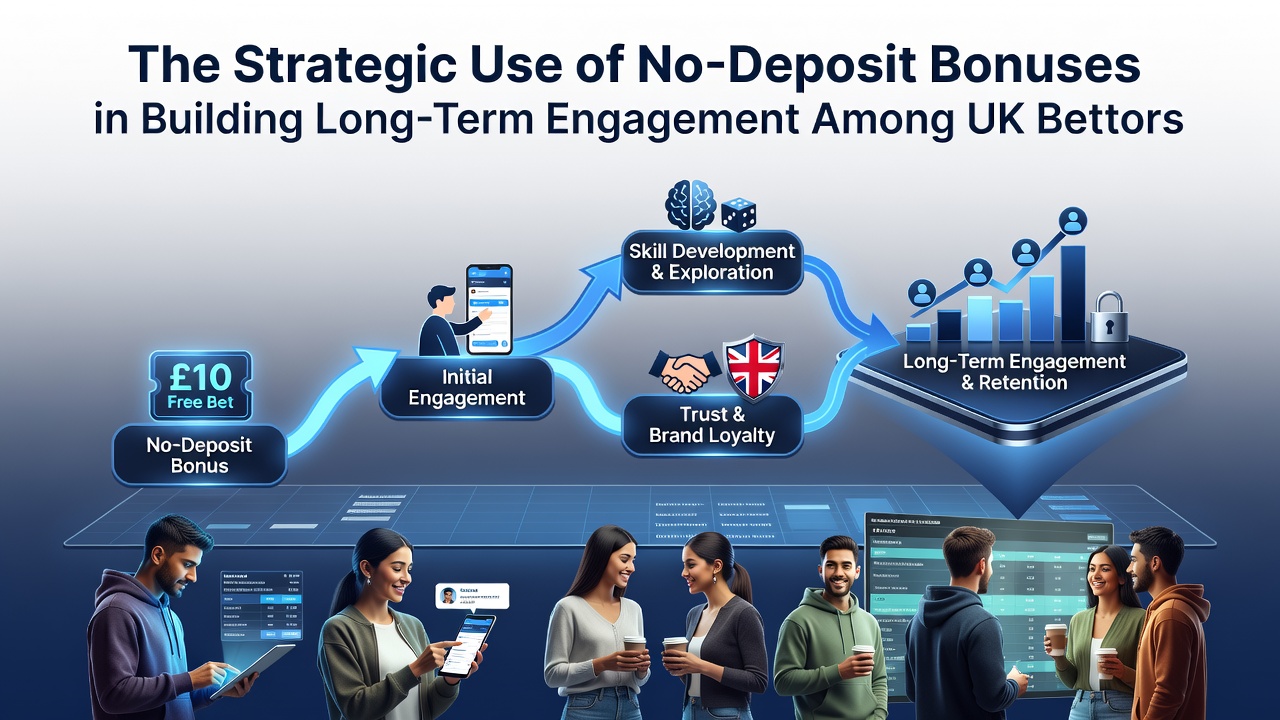
Operators across the UK betting sector deploy no-deposit bonuses as an entry point that converts initial curiosity into sustained platform activity, and data from multiple tracking services shows these incentives often lead users through structured play cycles that encourage repeated logins and account upgrades. These offers provide free credits or bet tokens without requiring an initial deposit, yet the terms typically include wagering requirements that keep participants active for days or weeks after activation. Researchers at academic institutions have documented how such mechanics align with broader retention models used in digital entertainment industries, where small initial rewards build habitual interaction patterns over time.
Core Components of No-Deposit Bonus Structures
UK-licensed operators structure these bonuses with specific parameters that balance acquisition costs against projected lifetime value, and typical features include minimum odds thresholds, maximum win caps, and expiration windows that push timely engagement. Playthrough conditions often range from 10x to 40x the bonus amount, which means users who accept the offer must place multiple bets before any winnings become withdrawable. Observers note that this design creates natural checkpoints where bettors return to the app or site to monitor progress, and operators layer additional prompts such as push notifications or loyalty points to maintain momentum during the requirement period.
Pathways from First Use to Ongoing Participation
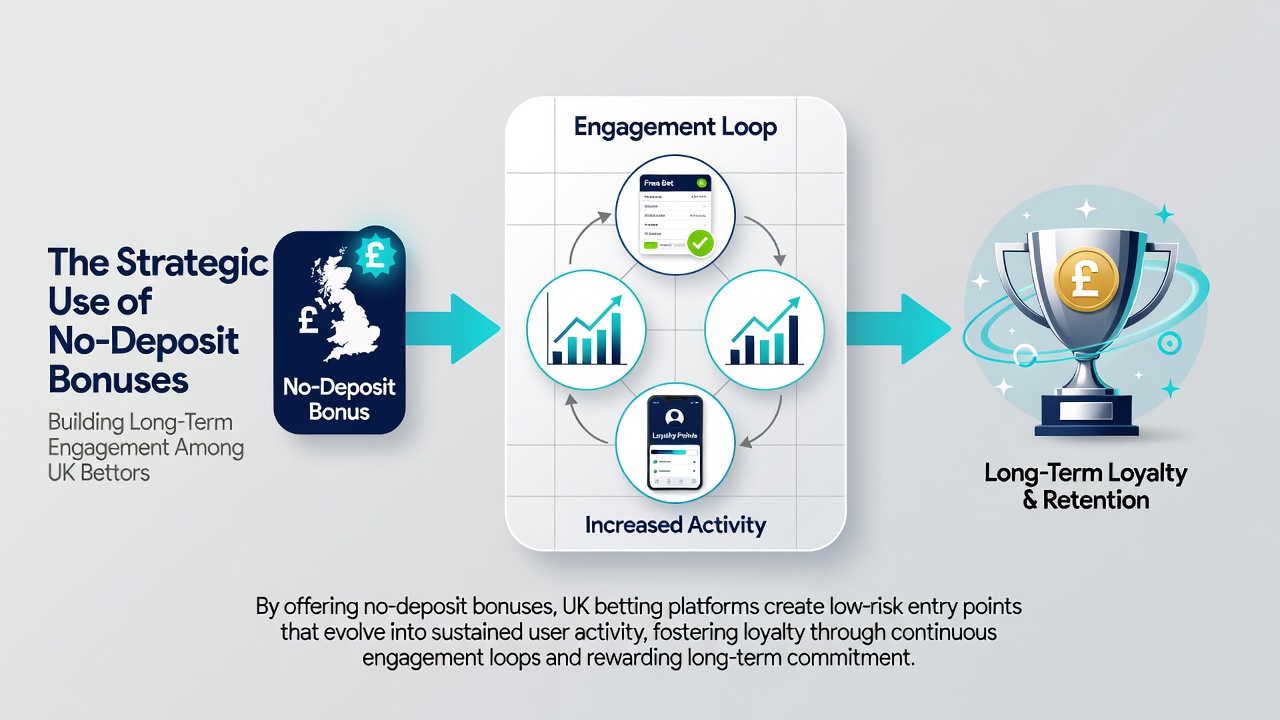
One study revealed that bettors who complete a no-deposit bonus cycle demonstrate higher rates of subsequent deposits compared with those acquired through standard welcome offers, and the difference appears tied to the sense of investment created by fulfilling the wagering rules. After the bonus expires, operators frequently transition users into tiered loyalty schemes or personalised promotions that reference the initial free play experience, thereby reinforcing the platform as a regular destination. In August 2026, seasonal peaks around major summer racing festivals are expected to coincide with targeted bonus campaigns that extend these cycles, allowing operators to capitalise on increased fixture density while maintaining engagement metrics through follow-up incentives.
What's interesting is how data segmentation enables operators to identify which bonus recipients show early signs of retention and then adjust follow-up offers accordingly, and this approach draws on behavioural analytics that track login frequency, bet variety, and session duration. Those who've examined operator dashboards report that users retained through no-deposit pathways often migrate toward accumulator-style products or live betting features once they become paying customers, suggesting the initial free credit serves as a gateway rather than an isolated acquisition tool.
Regulatory and Industry Context Shaping Bonus Deployment
Frameworks from bodies such as the Australian Gambling Research Centre highlight parallels in how bonus mechanics influence player longevity across different jurisdictions, and UK operators adapt similar principles while operating under their own licensing conditions. Trade associations including the European Gaming and Betting Association publish periodic reports that track the prevalence of no-deposit offers and their correlation with multi-month retention figures, providing operators with benchmarks for campaign performance. These external references help shape internal strategies that prioritise long-term metrics over short-term sign-up spikes.
Take one operator who introduced a no-deposit bonus tied to a football preview feature in 2025, and the subsequent data indicated that participants who engaged with the preview tool during the bonus period maintained higher weekly activity levels six months later than the control group. Such case examples illustrate how operators integrate educational or content-driven elements alongside the financial incentive to deepen platform familiarity. Researchers have observed that this layered approach reduces the likelihood of users treating the bonus as a one-off transaction and instead positions the site as a comprehensive betting environment.
Measurement of Long-Term Outcomes
Key performance indicators used by operators include repeat deposit frequency, average bet size evolution, and cross-product usage rates, all of which are monitored through cohort analysis that isolates no-deposit recipients from other acquisition channels. Figures from industry reports indicate that cohorts exposed to structured no-deposit campaigns often achieve 15-25 percent higher retention at the 90-day mark, though results vary according to bonus generosity and accompanying feature integration. Those who study these patterns emphasise the importance of combining bonus terms with user-interface improvements that make ongoing participation frictionless, such as one-click bet placement and real-time balance updates.
Yet the effectiveness of these strategies also depends on timing and personalisation, and operators increasingly employ machine-learning models to deliver bonuses when user activity shows early decline signals. This proactive deployment prevents churn before it becomes entrenched, and the models draw on historical data sets that link specific bonus types to distinct engagement trajectories. In practice, the result is a feedback loop where initial no-deposit experiences inform later retention tactics, creating a continuous cycle rather than isolated promotional events.
Conclusion
Operators continue to refine no-deposit bonus frameworks to maximise the transition from acquisition to habitual use, and the integration of data analytics with regulatory-compliant terms supports sustained platform interaction among UK bettors. External research from organisations across multiple regions supplies comparative insights that help refine these approaches, while seasonal considerations such as those anticipated for August 2026 add further layers to campaign planning. The strategic emphasis remains on converting the initial free credit into measurable, ongoing engagement through structured requirements and follow-up mechanisms that keep users returning over extended periods.